


Milei, Trump’s Political Operator in Argentina
October 28, 2025 Hour: 3:01 pm
🔗 Comparte este artículo
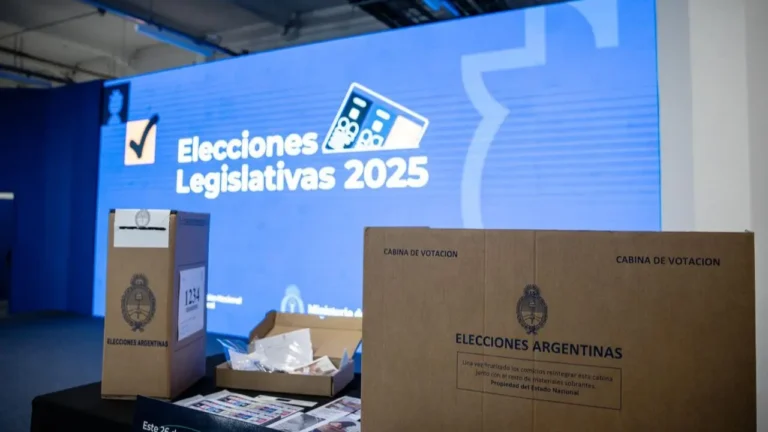
On Sunday 26th, Argentina’s midterm legislative elections submit a result as resounding as it was unexpected: the ruling party La Libertad Avanza (LLA), led by President Javier Milei, won with over 40% of the vote nationwide.
The government interprets this triumph as a “ratification of the 2023 mandate” and the green light for a second phase of “structural reforms” that, in the view of some analysts, will deepen fiscal austerity and social hardship.
However, the support for Milei occurs in a context of profound crisis and well-known corruption scandals, which leads one to question the true legitimacy of this victory. The answer lies not only in internal discontent but also in the open and decisive intervention of external actors, particularly the US administration of Donald Trump.
The Electoral Surprise in Fragile Numbers
LLA’s victory allows it to increase its presence in Congress and achieve its first objective: secure one-third of the Chamber of Deputies (64 new seats), granting it the power of presidential veto over rival laws. Although the Senate remains under opposition control, the government obtains “strong backing” to advance its agenda.
Abstention: The True Winner
A structural and worrying fact of the election day is the low turnout. Electoral absenteeism was higher than in the last elections of 2023 and 2021, with a participation rate of only 68%. From a critical point of view, this low voter turnout reflects the disillusionment of a growing part of society with the political system, benefiting polarized minorities. Milei’s victory is, therefore, a triumph of highly polarized blocs over a weary societal base.
The Intervention of Donald Trump: A Foreign “Campaign Manager”
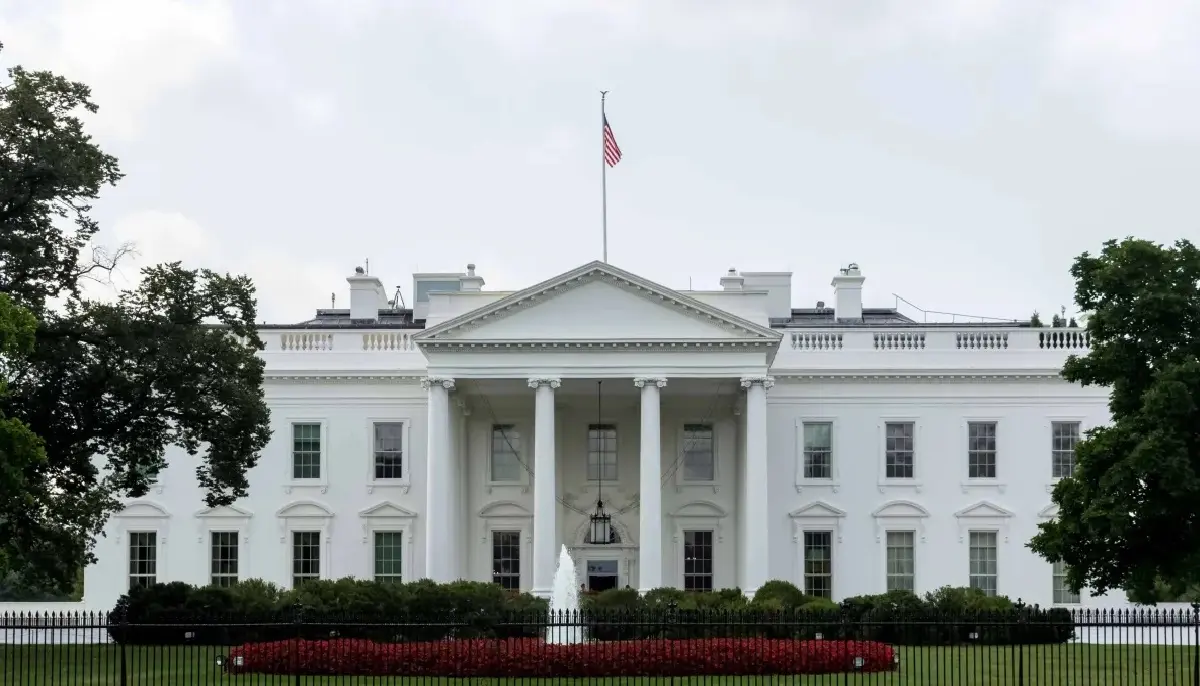
The key explaining why Milei “was able to celebrate this Sunday” after months of uncertainty, economic crisis, and corruption scandals was not his management, but the direct aid from the United States.
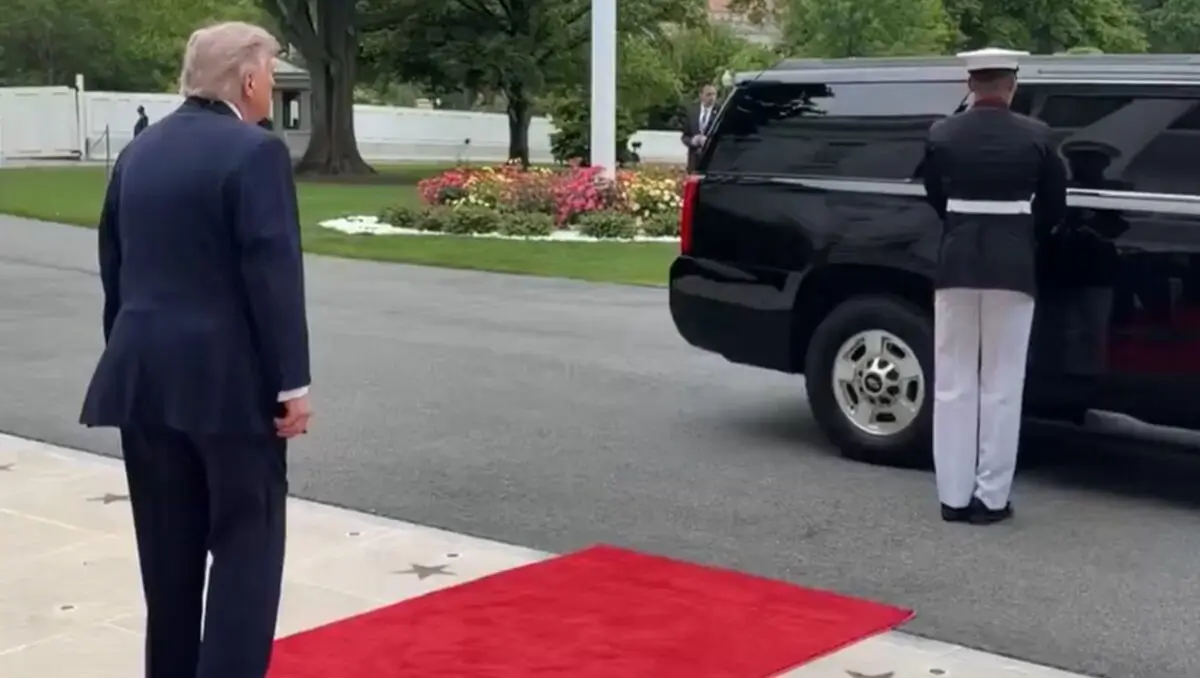
- The Conditional Financial Bailout: Weeks before the election, the Donald Trump administration announced an unprecedented financial aid package to contain devaluation and the currency run. This support included a $20 billion swap line and the purchase of $1 billion in Argentine pesos.
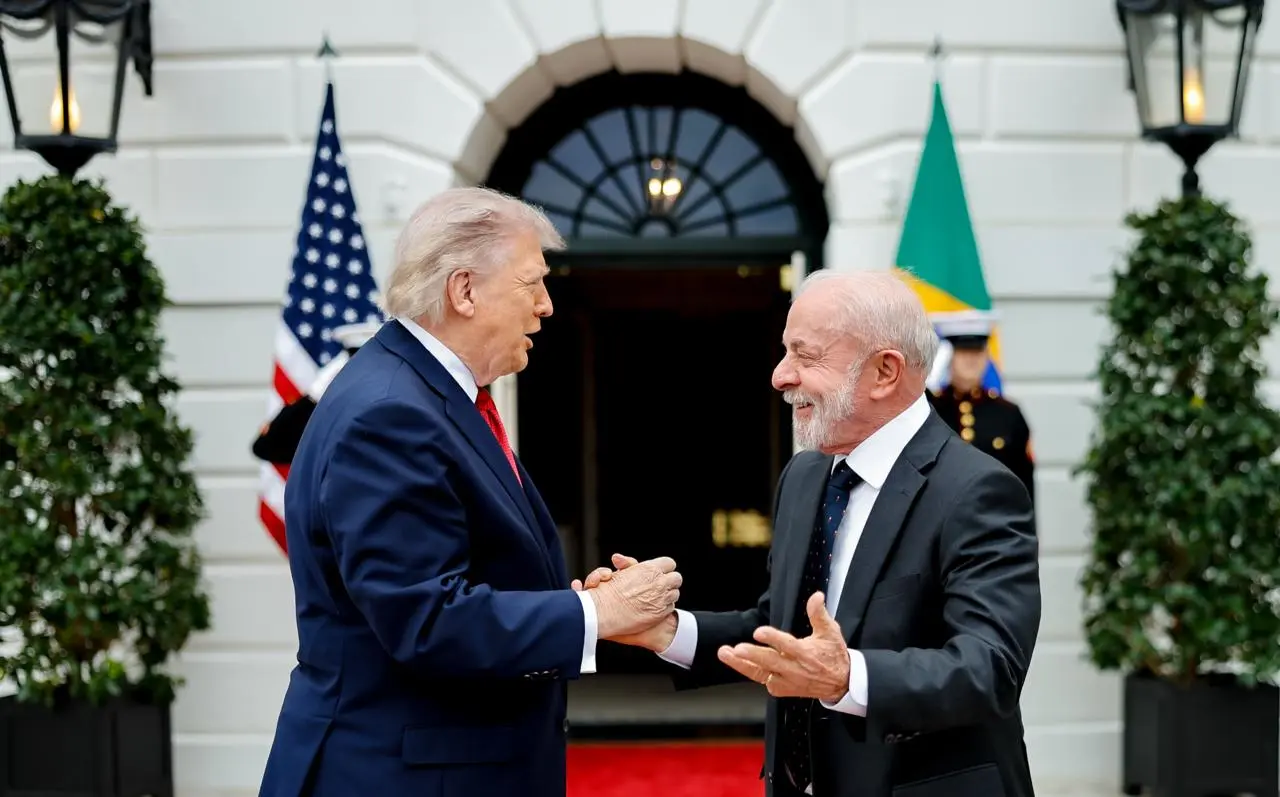
- Political Debt and Blackmail: The measure drew criticism in the US, but for the Argentine opposition, it was open interference. Social leader Juan Grabois summarized it clearly: “The campaign manager of La Libertad Avanza is Donald Trump.” Trump himself had warned that the financial lifeline was conditional on a Milei victory, stating: “If he loses, we won’t be so generous with Argentina.”
- Consolidation of Dependence: Milei’s victory meets the condition, consolidating a political debt to the White House that translates into strategic dependence.
- Profit and Control: After the results were known, Donald Trump congratulated Milei, not only validating the triumph but also acknowledging the economic benefit this support provided to the US and its investors. The magnate described the victory as “crushing” and stated: “He was a great winner, and he received a lot of help from us.” “I think right now we’ve made a lot of money thanks to those elections because bonds have gone up. The rating of all their debt has gone up.” These statements demonstrate that the election was seen primarily as a validation of economic interests rather than a democratic exercise.
The Price of Victory: Sovereignty and Strategic Resources
The financial aid provided by the Donald Trump administration to prop up the Milei government weeks before the elections was not a gesture of altruism, but a strategic move with a price that Argentina will pay in terms of sovereignty and natural resources.
LLA’s triumph not only reorders the internal political system but also firmly anchors it to a specific geopolitical strategy, turning the country into an indispensable partner for US interests in South America.
Washington’s Geopolitical Interest
President Trump described the victory as obtaining a “Strong handle of South America.” The central interest of the United States, within the framework of its power struggle, focuses directly on Argentina’s natural resources.
- Critical Resources: The strategy focuses on lithium, copper, uranium, gas, and Vaca Muerta oil. Milei’s victory translates into greater endorsement to push free-market reforms that will facilitate investment and the acquisition of assets and resources by US financial capital.
- The Wall Street Vision: Financial media like The Wall Street Journal saw the victory as a “new boost to his free-market reform initiative,” instrumentalizing the popular will as a “tool for the radical reform of the economy” and a “validation of their investments.” The markets celebrated with historic rises in bonds and stocks.
The Opposition’s Challenge: Renewal or Accommodation
The Peronist coalition Fuerza Patria established itself as the sole opposition force at the national level, obtaining 31.7% of the vote. However, it seems that Peronism suffers from a “lack of renewal” in its figures and discourse.
Faced with the consolidation of Anti-Peronism as a structural factor, the opposition faces a critical crossroads:
- Accommodate Itself: Become an “opportunistic and neoliberalized” movement to adapt to the times.
- Reconstitute Itself: Be an instrument to channel a recomposition of social and popular struggles.
Society, particularly young voters, opted for the “uncertainty of the future” over the “certainty of the past,” rejecting a return to previous governments, which they associate with high inflation and broken promises. The country’s future depends on the opposition’s ability to offer coherent political alternatives with a programmatic basis that surpasses Milei-ism.
Wounded National Sovereignty
Javier Milei’s resounding victory in the 2025 legislative elections, while an unavoidable political fact that reinforces his mandate and his ultraliberal reform agenda, opens a deep wound in national sovereignty that goes beyond the ballot box.
The forceful financial intervention of the Donald Trump administration, which conditioned the economic “lifeline” on the triumph of La Libertad Avanza, anchors Argentina to a strategic dependence whose price is free access to critical natural resources by US financial capital.
The question hanging over the “great Argentina” promised by the president is whether the country has passed the “tipping point” towards progress or if, on the contrary, it has signed a pact that consolidates its position as a mere geopolitical appendage, a “Strong handle of South America,” at the disposal of foreign interests.
Author: Silvana Solano
Source: TeleSur